01
Prevention, not just treatment
Community medicine starts upstream — with food, movement, sleep and stress, before any of it becomes a prescription.
Founders
The Reversal was started by a physiotherapist who spent nearly twenty years trying to get rehabilitation out to people the hospitals never reach, and a Professor of Community Medicine who treats diabetes and lifestyle disease for a living. Between them they had seen the same thing from two directions: the treatment is rarely the hard part. Keeping it up at home is.
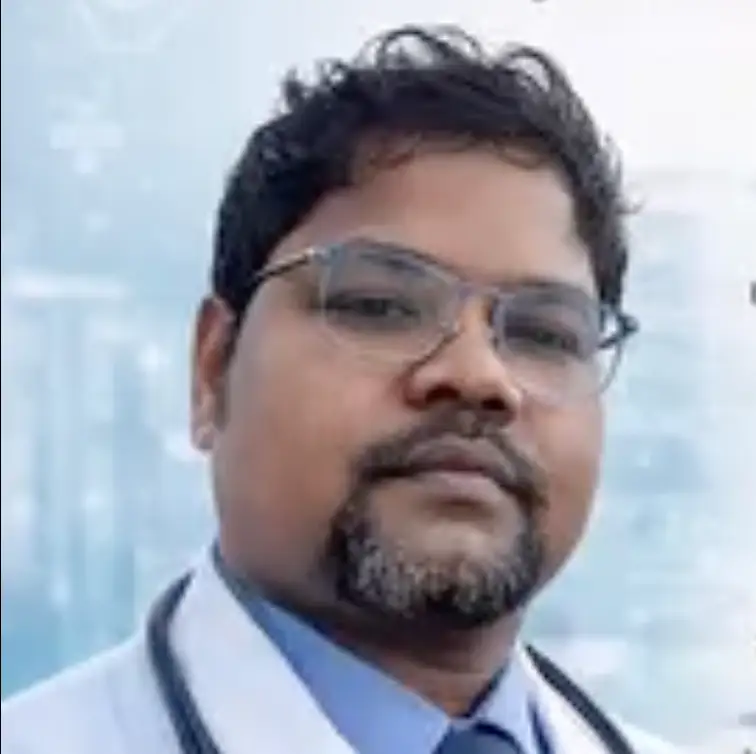
Co-founder
Physiotherapist · Healthcare innovator · Public health strategist
In 2008, still in college, he started working on a question that has not left him since: why should access to rehabilitation depend on geography, income, or whether there happens to be a hospital nearby? Everything he has built since is an attempt at an answer.
That included E-Swasthya Kutira — a "digital health cottage", village-level ICT centres offering health information and tele-counselling, years before mobile health was a category anyone was funding. It led to HelloPhysio 24x7, one of India's early physiotherapy helplines, built to put guidance within reach of people a long way from a city hospital. It led to the HelloPhysio Charitable Trust, and to Hello 2 Able 24x7, a support initiative for older adults, people with disabilities and families managing long-term care.
Nearly two decades of watching rehabilitation succeed and fail taught him something that shaped The Reversal directly: patients rarely fail because the therapy does not work. They fail when the people around them lose sight of it — when exercises are forgotten, when nobody at home knows what good progress looks like, when the clinic and the kitchen never speak to each other.
A retreat is one way to fix that. Give someone a week where the food, the movement, the sleep and the therapy are finally arranged around the same plan, and they go home knowing what the plan actually feels like.
Appointments don't heal people. Consistency heals people. Families create consistency. — Dr Gyanaranjan Pradhan
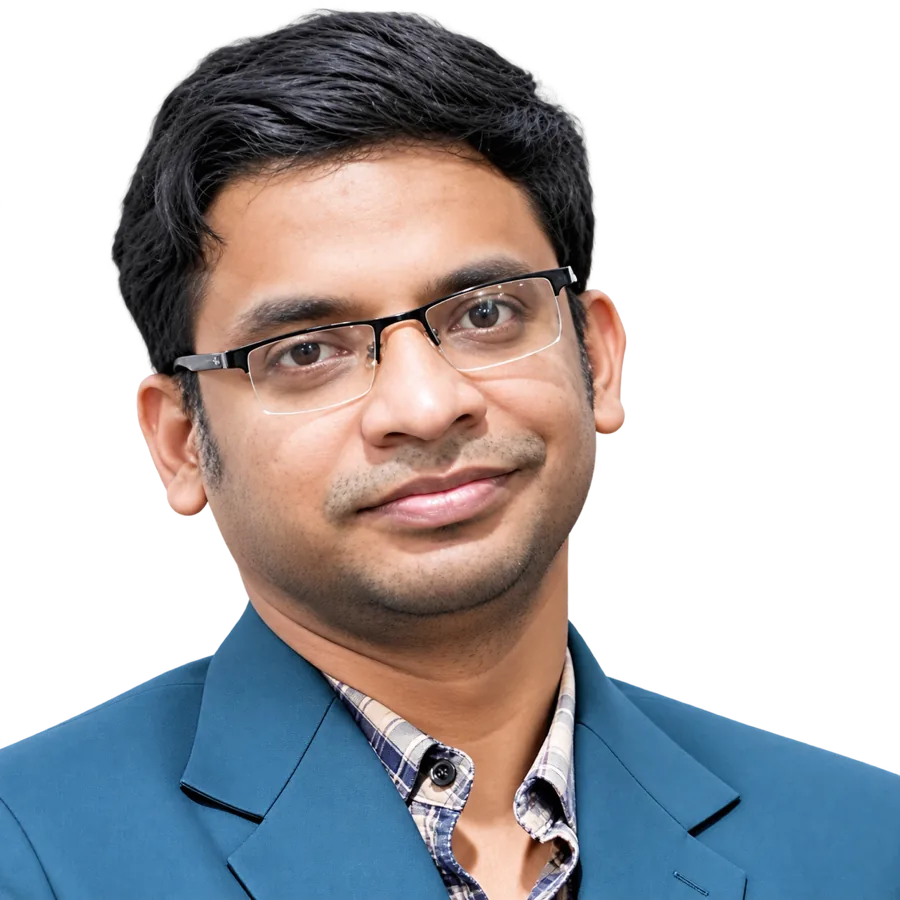
Co-founder
MD · Professor of Community Medicine · Diabetologist · Lifestyle disease expert
Community medicine looks at health the way this campus does — at the whole population and the whole life, not one appointment at a time. It asks what people eat, how they move, how they sleep and what their week actually looks like, because that is where lifestyle disease is decided long before it reaches a clinic.
That is the thinking the programs here are built on, and the principle behind the retreat week: small, repeatable change beats a dramatic intervention that nobody sustains.
A fuller profile — teaching history, affiliations and published work — is being added shortly.
Small steps today, big transformation tomorrow! — Prof. Dr Gurukrushna Mohapatra
Why they built it
One had spent years working out how to reach people after the diagnosis. The other had spent years watching how the diagnosis arrives in the first place. The campus is what those two answers look like once you put them on the same patch of green.
Community medicine starts upstream — with food, movement, sleep and stress, before any of it becomes a prescription.
Rehabilitation only works if it survives the trip home. That is why every program ends with a written plan and a follow-up call.
Forty minutes from the city, on a working weekend. A retreat nobody has to take a fortnight off to attend.
Ask them directly
If you are weighing up a retreat for a condition you are managing, say so in your enquiry. It reaches the people who can answer it properly rather than a booking desk — or write to either founder directly.
